No sharps or flats: A minor and C major 50 piano pieces in A minor
No sharps or flats is the key signature of A minor and of its relative major, C major.
50 pieces in A minor to read and learn at your keyboard, levels 2 to 6, easiest first. Each piece comes with simpler versions made from the score itself.
A minor on the circle of fifths, with its neighbours, and its scale with fingering on the scales chart. C major has the same signature, no sharps or flats, with 224 pieces of its own.
- Pieces
- 50
- Levels
- 2 to 6
- Key signatures
- none
- Length
- 8 to 204 bars
Level 2
A tune over a simple left hand, mostly in one hand position.
-
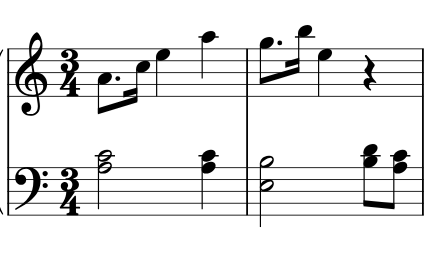 Polska from Småland
Traditional no sharps or flats, 3/4, 8 bars Community source -
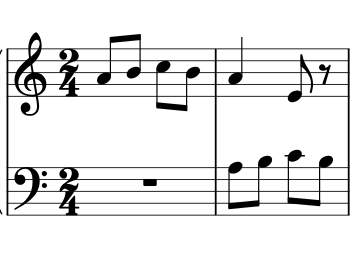 Catch me, Op. 117 No. 21
Cornelius Gurlitt no sharps or flats, 2/4, 16 bars Checked against the edition -
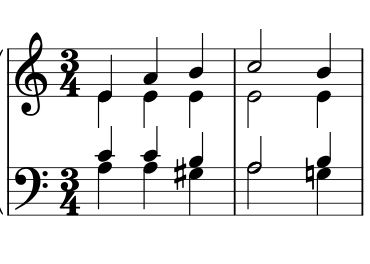 If Thou But Suffer God to Guide Thee
Georg Neumark no sharps or flats, 3/4, 24 bars Community source -
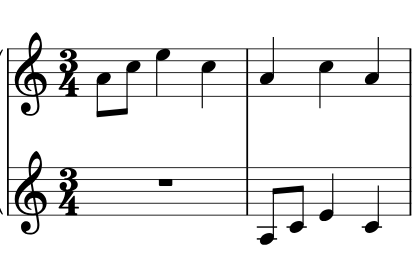 Study in A minor, Op. 101 No. 60
Ferdinand Beyer no sharps or flats, 3/4, 24 bars Checked against the edition -
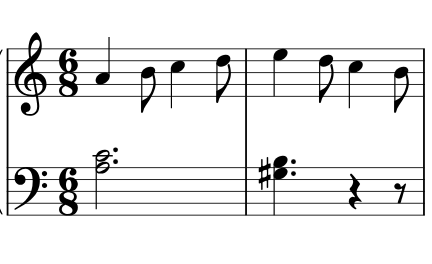 Lamentation, Op. 117 No. 16
Cornelius Gurlitt no sharps or flats, 6/8, 16 bars Checked against the edition -
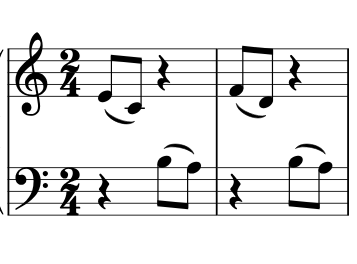 Little Prelude to the Day, from Enfantillages pittoresques
Erik Satie no sharps or flats, 2/4, 52 bars Community source
Level 3
Both hands busy, the hand moves around, a sharp or flat or two.
-
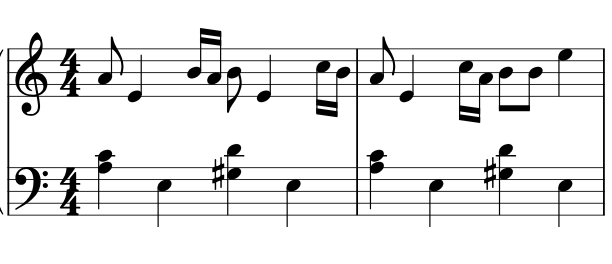 The Little Beggar, Op. 123 No. 2
Alexander Gretchaninov no sharps or flats, 4/4, 12 bars Checked against the edition -
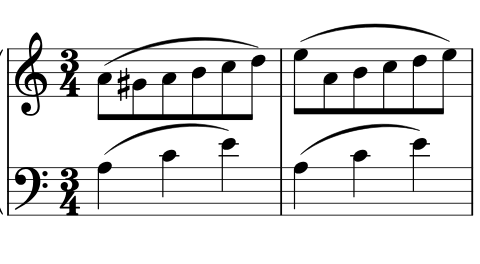 Elementary Study, Op. 176 No. 18
Jean-Baptiste Duvernoy no sharps or flats, 3/4, 56 bars Community source -
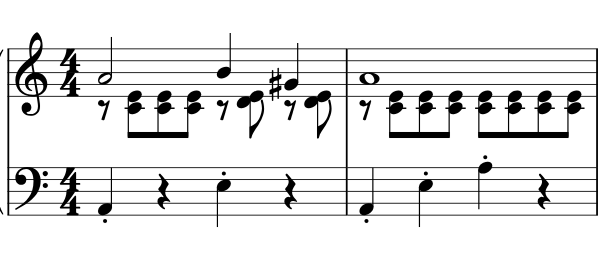 Study in A minor, Op. 63 No. 10
Louis Gobbaerts no sharps or flats, 4/4, 30 bars Checked against the edition -
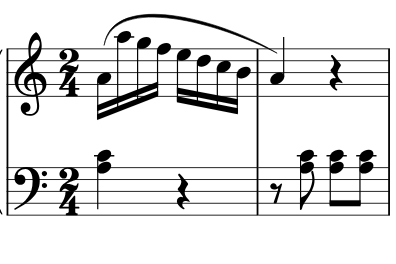 Allegretto, Op. 82
Cornelius Gurlitt no sharps or flats, 2/4, 16 bars Community source -
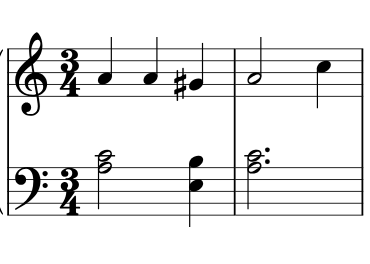 The Coventry Carol
Traditional no sharps or flats, 3/4, 32 bars Community source -
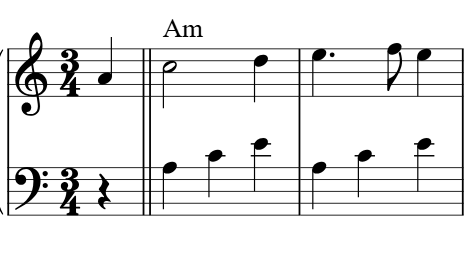 Greensleeves
Traditional no sharps or flats, 3/4, 32 bars Community source -
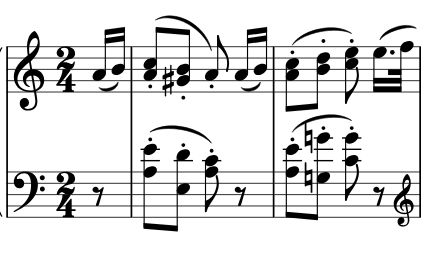 Poor Orphan Child, Op. 68 No. 6
Robert Schumann no sharps or flats, 2/4, 20 bars Community source -
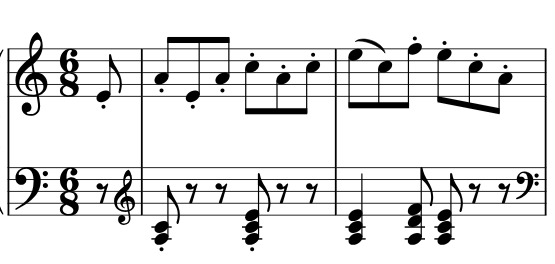 The Wild Rider, Op. 68 No. 8
Robert Schumann no sharps or flats, 6/8, 24 bars Two sources agree -
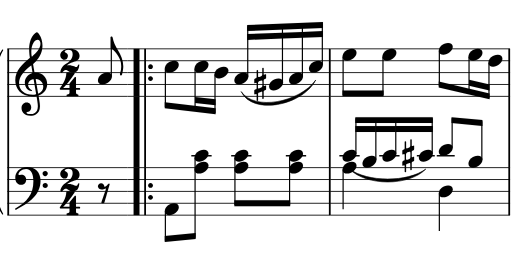 Walking Tune from Dalarna
Traditional no sharps or flats, 2/4, 18 bars Community source -
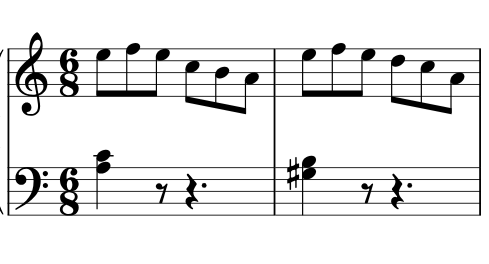 Presto, from the Sonata in A minor
Georg Benda no sharps or flats, 6/8, 36 bars Community source -
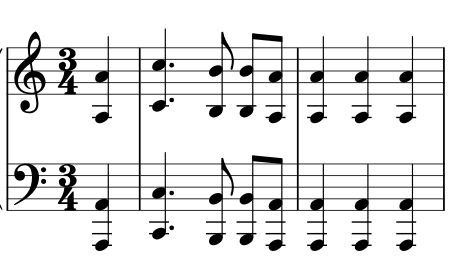 Waltz, D. 969 No. 9
Franz Schubert no sharps or flats, 3/4, 36 bars Community source -
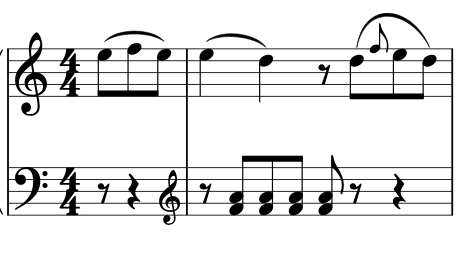 Farewell, Op. 100 No. 12
Friedrich Burgmüller no sharps or flats, 4/4, 41 bars Community source -
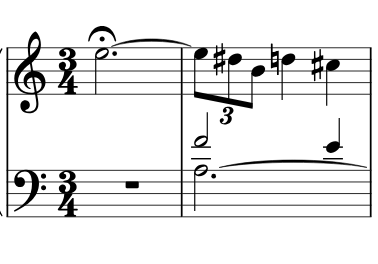 Elegy, Op. 38 No. 6
Edvard Grieg no sharps or flats, 3/4, 47 bars Checked against the edition -
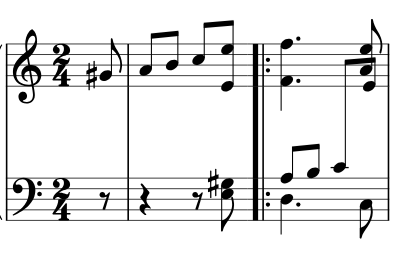 Little Canon, Op. 68 No. 27
Robert Schumann no sharps or flats, 2/4, 40 bars Checked against the edition -
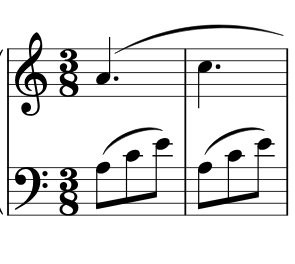 Song Without Words
Fritz Spindler no sharps or flats, 3/8, 33 bars Community source -
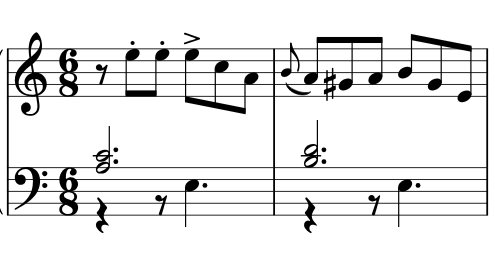 Study in A minor, Op. 47 No. 3
Stephen Heller no sharps or flats, 6/8, 49 bars Checked against the edition -
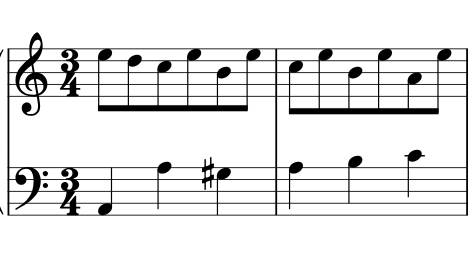 Menuet, from the Premier livre
Jean-Philippe Rameau no sharps or flats, 3/4, 37 bars Community source -
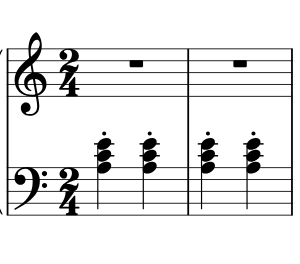 Arabesque, Op. 100 No. 2
Friedrich Burgmüller no sharps or flats, 2/4, 33 bars Community source -
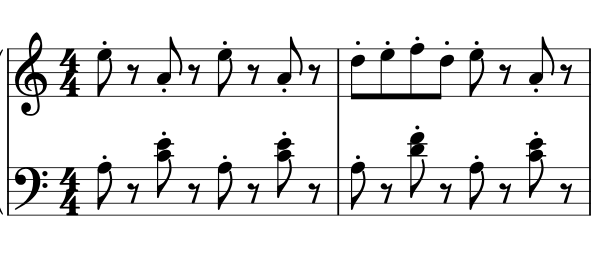 Gavotte, Op. 117 No. 31
Cornelius Gurlitt no sharps or flats, 4/4, 48 bars Checked against the edition -
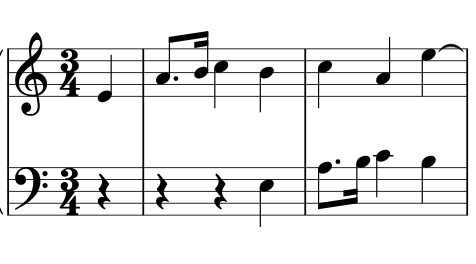 Minuet in A minor, BWV Anh. 120
Anonymous (Notebook for Anna Magdalena Bach) no sharps or flats, 3/4, 29 bars Community source -
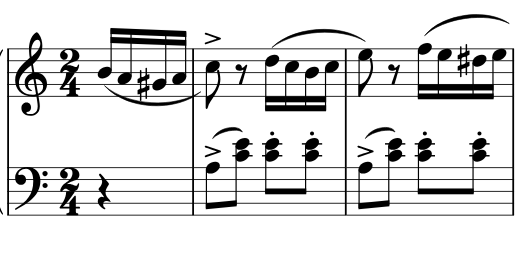 Rondo alla turca (Turkish March)
Wolfgang Amadeus Mozart no sharps or flats, 2/4, 34 bars, shortened Community source -
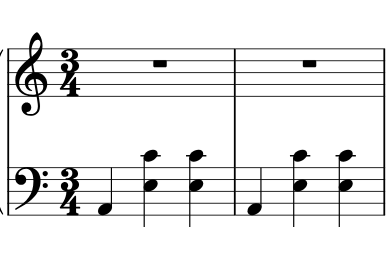 Waltz, Op. 12 No. 2
Edvard Grieg no sharps or flats, 3/4, 79 bars Checked against the edition -
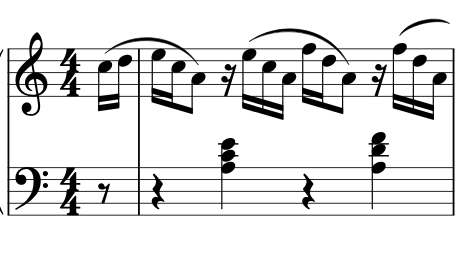 Song Without Words in A minor, Op. 53 No. 5
Felix Mendelssohn no sharps or flats, 4/4, 83 bars Community source -
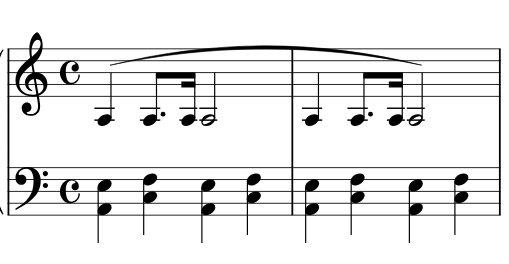 Funeral March, from the Sonata No. 2
Frédéric Chopin no sharps or flats, 4/4, 92 bars Community source
Arranged in this key: Chopin wrote it in B flat minor
Level 4
Real independence between the hands and more accidentals.
-
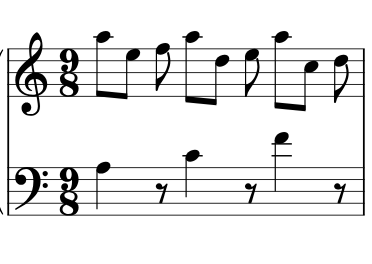 Little Prelude in A minor, BWV 942
Johann Sebastian Bach no sharps or flats, 9/8, 17 bars Community source -
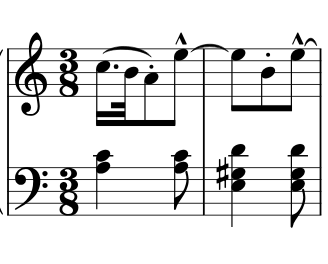 Children's Study, Op. 37 No. 38
Henry Lemoine no sharps or flats, 3/8, 56 bars Community source -
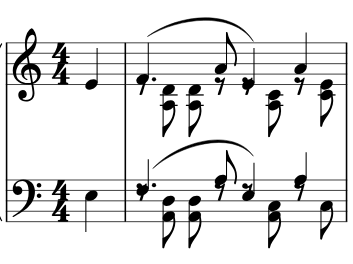 Little Romance, Op. 68 No. 19
Robert Schumann no sharps or flats, 4/4, 20 bars Community source -
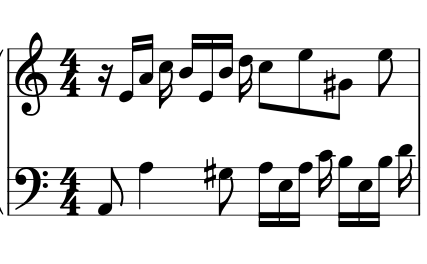 Invention No. 13 in A minor, BWV 784
Johann Sebastian Bach no sharps or flats, 4/4, 25 bars Two sources agree -
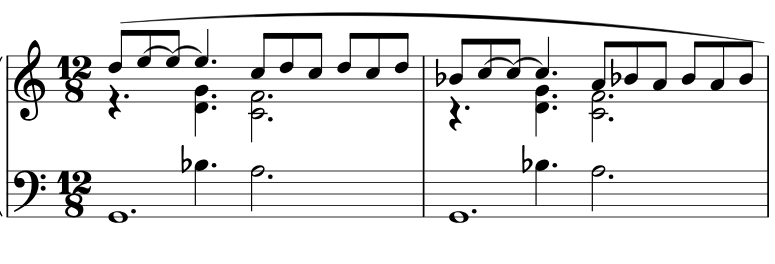 Gnossienne No. 2
Erik Satie no sharps or flats, 12/8, 34 bars Community source -
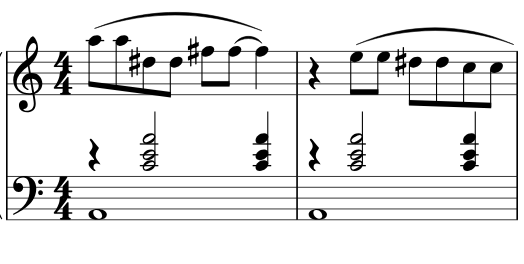 Gnossienne No. 3
Erik Satie no sharps or flats, 4/4, 54 bars Community source -
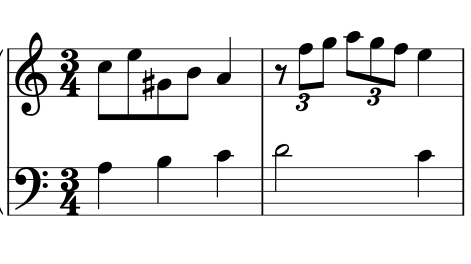 Minore in A minor, K. 15k
Wolfgang Amadeus Mozart no sharps or flats, 3/4, 18 bars Community source -
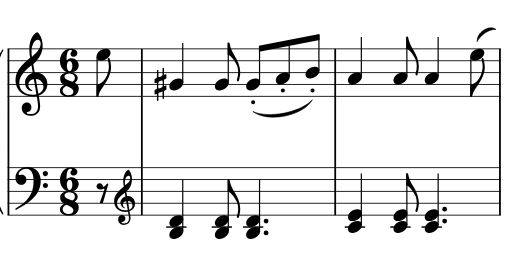 Sicilienne, Op. 68 No. 11
Robert Schumann no sharps or flats, 6/8, 36 bars Community source -
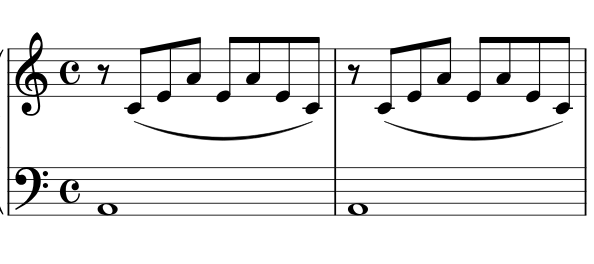 Sonatina in A minor
Carl Reinecke no sharps or flats, 4/4, 46 bars Community source -
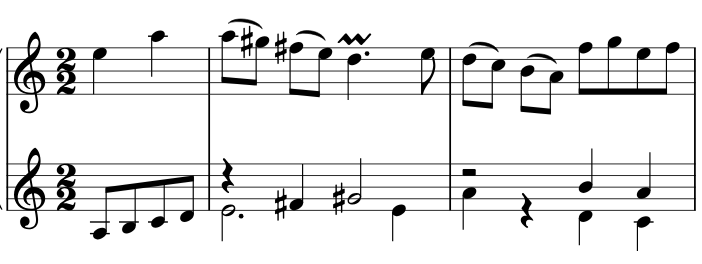 Gavotte, from the Premier livre
Jean-Philippe Rameau no sharps or flats, 2/2, 56 bars Community source -
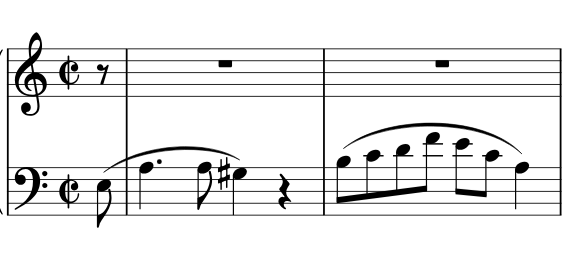 Fugue in A minor, B. 144
Frédéric Chopin no sharps or flats, 2/2, 69 bars Community source -
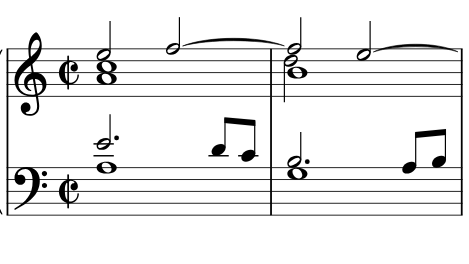 Fantasia in A minor, BWV 904
Johann Sebastian Bach no sharps or flats, 2/2, 74 bars Community source -
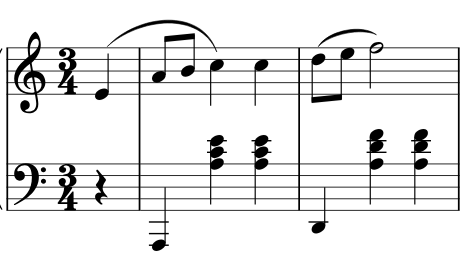 Waltz in A minor, B. 150
Frédéric Chopin no sharps or flats, 3/4, 56 bars Community source -
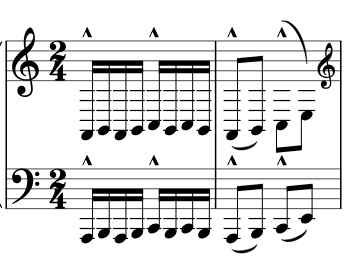 Knecht Ruprecht, Op. 68 No. 12
Robert Schumann no sharps or flats, 2/4, 72 bars Community source -
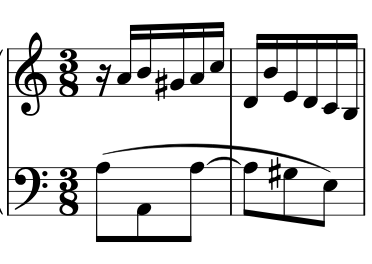 Fantasia, from the Partita No. 3 in A minor, BWV 827
Johann Sebastian Bach no sharps or flats, 3/8, 120 bars Community source -
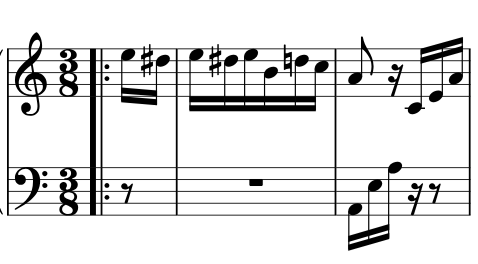 Für Elise, WoO 59
Ludwig van Beethoven no sharps or flats, 3/8, 105 bars Two sources agree -
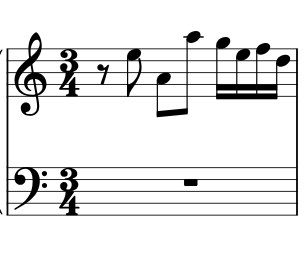 Prelude in A minor, BWV 807
Johann Sebastian Bach no sharps or flats, 3/4, 164 bars Two sources agree
Level 5
The edge of early intermediate: dense textures, fast passages and far keys.
Level 6
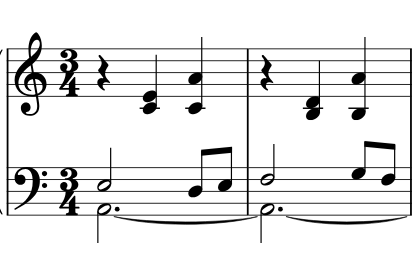
Intermediate: the notes of level 5 at concert speed, held even from the first bar to the last.
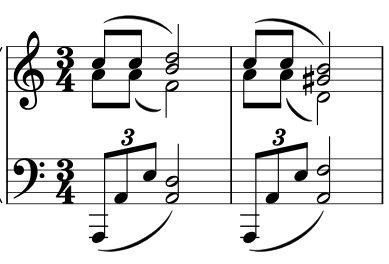
Pieces here that change key partway through: 6. See how to read a key change.
A piece is listed here when its title names the key, its score marks it, or its last bass note is the key note (how to tell major from minor). 30 more library pieces with no sharps or flats end somewhere else, so they aren't on a key page; their own pages give the signature.
Other keys
Every key three or more library pieces are in.
Learning with someone? Send them this page by email