Nocturnes for piano
7 nocturnes to read and learn at your keyboard, levels 4 to 5, easiest first, each with easier versions made from the score itself.
What a nocturne is
A night piece. John Field, an Irish pianist, called his first piano pieces of this kind nocturnes in 1812; Chopin took up the name and wrote 21.
How it goes
Slow to moderate and singing, often in a compound metre such as 12/8, so the beat rocks in threes.
What to read for
A right-hand melody over wide left-hand broken chords that the sustain pedal holds together. The melody often takes small runs of quick notes as ornaments; keep the left hand steady under them.
What the library's 7 nocturnes print
Time signatures: 3 in 12/8, 2 in 4/4, 1 in 3/8, and 1 in 9/8. Tempo words at the start: Andante (3), Moderato (2), and Adagio (1); 1 print none. Keys: 4 major and 3 minor, most often E minor (1), B♭ major (1), and E♭ major (1).
By John Field (4), Frédéric Chopin (2), and Edvard Grieg.
- Pieces
- 7
- Levels
- 4 to 5
- Key signatures
- 3 flats to 5 sharps
- Length
- 37 to 93 bars
Level 4
Real independence between the hands and more accidentals.
-
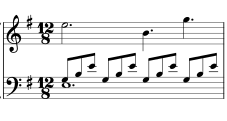 Nocturne No. 10
John Field 1 sharp, 12/8, 37 bars Community source -
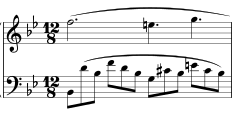 Nocturne No. 5 in B flat
John Field 2 flats, 12/8, 43 bars Community source -
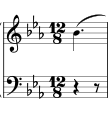 Nocturne No. 1 in E flat
John Field 3 flats, 12/8, 67 bars Community source -
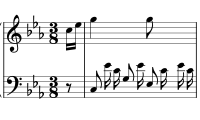 Nocturne No. 2 in C minor
John Field 3 flats, 3/8, 93 bars Checked against the edition
Level 5
The edge of early intermediate: dense textures, fast passages and far keys.
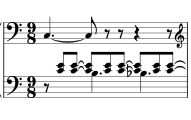
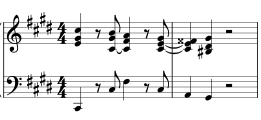
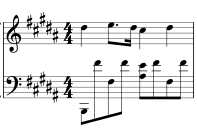
A piece is listed here when its title calls it a nocturne, in English, German, French or Italian.
Other forms
Every form five or more library pieces are named for.
Learning with someone? Send them this page by email