Learn to read music · Music symbols and what they mean
Music symbols worksheet
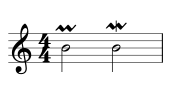
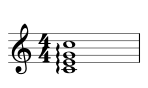
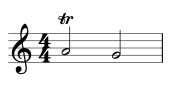
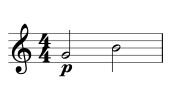
Under each sign, write its name or what it asks you to do. Each one is shown in a bar of music, as a page prints it. 15 signs, all from the music symbols guide; the answers print on a second page. Sheet 940.
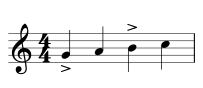
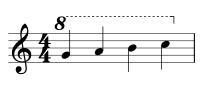 a temporit.
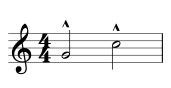
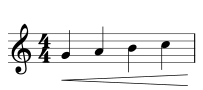
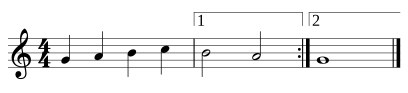
- legato
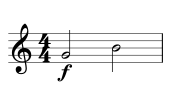
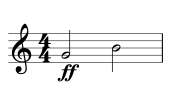
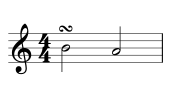
Then check them. The music symbols guide shows each sign in a bar of music, says what it asks of you, and links the easiest pieces that print it.
Read the guideAnswers: music symbols worksheet, sheet 940
- AccentPlay this note louder than the ones around it.Octave signPlay the notes under the dotted line an octave higher (8va, over the notes) or lower (8vb, under them) than written.a tempoA tempoBack to the speed before the last change.rit.Ritardando, rallentandoSlow down gradually. Ritenuto (riten.) is held back at once.
- MarcatoA stronger accent: marked and forceful.CrescendoGet gradually louder, until the wedge or the dotted line after cresc. ends.MordentOne quick flick away and back: to the note above (no line) or the note below (a line through it), then the written note.Arpeggio (rolled chord)Spread the chord quickly from the bottom note up instead of playing its notes together.
- TrillAlternate quickly between the written note and the note above it for the note's length.PianoSoft. The instrument's full name, pianoforte, means soft-loud.First and second endingsPlay the first ending the first time; on the repeat, skip it and play the second.
- legatoLegatoSmoothly joined, every note connected to the next.ForteLoud.FortissimoVery loud.TurnFour quick notes round the written one: the note above, the note, the note below, the note.
Music symbols worksheet, sheet 940, from clefsight.com/learn/music-symbols/worksheet?seed=940. The guide there shows every sign in real pieces.