Learn to read music · Music symbols and what they mean
Music symbols worksheet
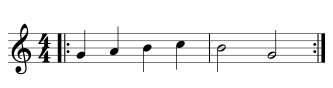
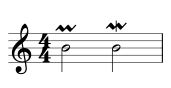
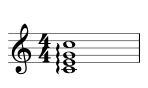
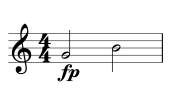
Under each sign, write its name or what it asks you to do. Each one is shown in a bar of music, as a page prints it. 14 signs, all from the music symbols guide; the answers print on a second page. Sheet 87.
- legato
- a tempo
Then check them. The music symbols guide shows each sign in a bar of music, says what it asks of you, and links the easiest pieces that print it.
Read the guideAnswers: music symbols worksheet, sheet 87
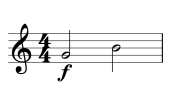
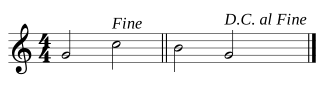
- legatoLegatoSmoothly joined, every note connected to the next.ForteLoud.D.C. al FineDa capo al fine: go back to the beginning and play until the word Fine (the end).
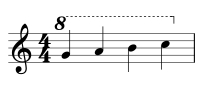
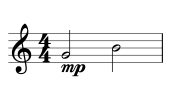
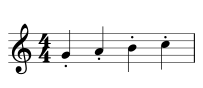
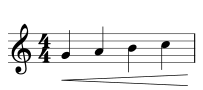
- Octave signPlay the notes under the dotted line an octave higher (8va, over the notes) or lower (8vb, under them) than written.Mezzo pianoModerately soft: a little louder than p.StaccatoShort and detached: let go early, leaving a small gap before the next note.CrescendoGet gradually louder, until the wedge or the dotted line after cresc. ends.
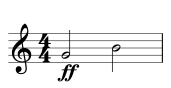
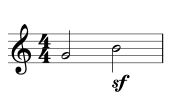
- FortissimoVery loud.SforzandoA sudden strong accent on one note or chord, then back to the dynamic before it.Repeat signsGo back to the facing repeat sign (or to the start, if there is none) and play the passage again.
- a tempoA tempoBack to the speed before the last change.MordentOne quick flick away and back: to the note above (no line) or the note below (a line through it), then the written note.Arpeggio (rolled chord)Spread the chord quickly from the bottom note up instead of playing its notes together.Forte-pianoLoud on the first note, then soft at once.
Music symbols worksheet, sheet 87, from clefsight.com/learn/music-symbols/worksheet?seed=87. The guide there shows every sign in real pieces.