Learn to read music · Music symbols and what they mean
Music symbols worksheet
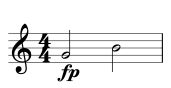
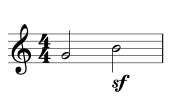
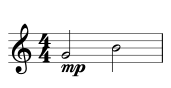
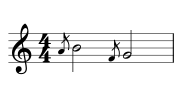
Under each sign, write its name or what it asks you to do. Each one is shown in a bar of music, as a page prints it. 14 signs, all from the music symbols guide; the answers print on a second page. Sheet 820.
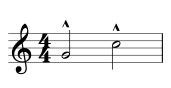
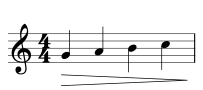
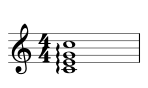 dolce
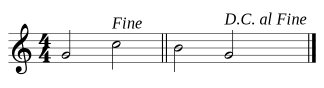
 rit.
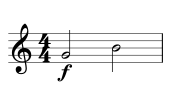
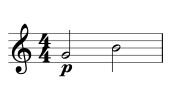
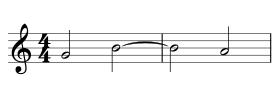 legato
Then check them. The music symbols guide shows each sign in a bar of music, says what it asks of you, and links the easiest pieces that print it.
Read the guideAnswers: music symbols worksheet, sheet 820
- MarcatoA stronger accent: marked and forceful.Diminuendo or decrescendoGet gradually softer.Arpeggio (rolled chord)Spread the chord quickly from the bottom note up instead of playing its notes together.dolceDolceSweetly, gently.
- D.C. al FineDa capo al fine: go back to the beginning and play until the word Fine (the end).Forte-pianoLoud on the first note, then soft at once.rit.Ritardando, rallentandoSlow down gradually. Ritenuto (riten.) is held back at once.
- SforzandoA sudden strong accent on one note or chord, then back to the dynamic before it.Mezzo pianoModerately soft: a little louder than p.Grace noteA small note played just before (or on) the beat of the main note. Its time comes out of the main note's: a slashed one takes only a sliver, an unslashed one in music from Bach to Mozart often half.ForteLoud.
- PianoSoft. The instrument's full name, pianoforte, means soft-loud.TiePlay the first note and hold it through the second: one note, the two values added together. A tie often crosses a bar line.legatoLegatoSmoothly joined, every note connected to the next.
Music symbols worksheet, sheet 820, from clefsight.com/learn/music-symbols/worksheet?seed=820. The guide there shows every sign in real pieces.