Learn to read music · Music symbols and what they mean
Music symbols worksheet
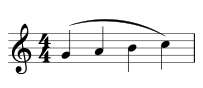
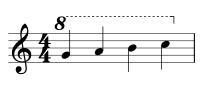
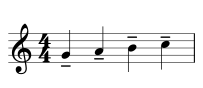
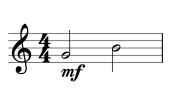
Under each sign, write its name or what it asks you to do. Each one is shown in a bar of music, as a page prints it. 15 signs, all from the music symbols guide; the answers print on a second page. Sheet 811.
- a tempo
 dolce
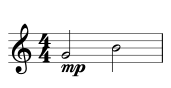
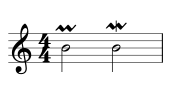
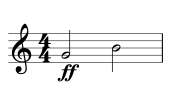
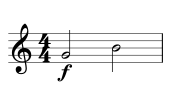
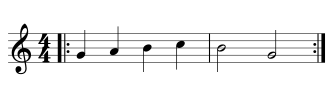
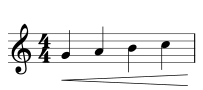
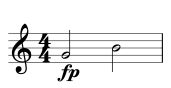
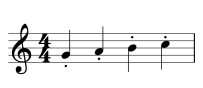
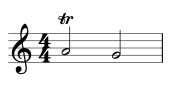
Then check them. The music symbols guide shows each sign in a bar of music, says what it asks of you, and links the easiest pieces that print it.
Read the guideAnswers: music symbols worksheet, sheet 811
- a tempoA tempoBack to the speed before the last change.SlurPlay the notes under it smoothly joined (legato), with no gaps. The end of a slur is often lifted slightly.Octave signPlay the notes under the dotted line an octave higher (8va, over the notes) or lower (8vb, under them) than written.dolceDolceSweetly, gently.
- TenutoHold the note for its full value, with a slight weight.Mezzo forteModerately loud: an easy, singing tone.Mezzo pianoModerately soft: a little louder than p.MordentOne quick flick away and back: to the note above (no line) or the note below (a line through it), then the written note.
- FortissimoVery loud.ForteLoud.Repeat signsGo back to the facing repeat sign (or to the start, if there is none) and play the passage again.
- CrescendoGet gradually louder, until the wedge or the dotted line after cresc. ends.Forte-pianoLoud on the first note, then soft at once.StaccatoShort and detached: let go early, leaving a small gap before the next note.TrillAlternate quickly between the written note and the note above it for the note's length.
Music symbols worksheet, sheet 811, from clefsight.com/learn/music-symbols/worksheet?seed=811. The guide there shows every sign in real pieces.