Learn to read music · Music symbols and what they mean
Music symbols worksheet
Under each sign, write its name or what it asks you to do. Each one is shown in a bar of music, as a page prints it. 15 signs, all from the music symbols guide; the answers print on a second page. Sheet 793.
Then check them. The music symbols guide shows each sign in a bar of music, says what it asks of you, and links the easiest pieces that print it.
Read the guideAnswers: music symbols worksheet, sheet 793
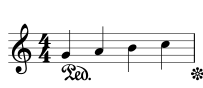 Sustain pedalPress the right pedal at Ped. (or where the bracket starts) and lift it at the star (or where it ends).
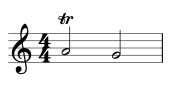 TrillAlternate quickly between the written note and the note above it for the note's length.
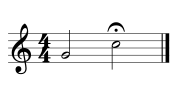 FermataHold the note (or rest) longer than written, as long as feels right, then go on.
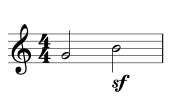 SforzandoA sudden strong accent on one note or chord, then back to the dynamic before it.
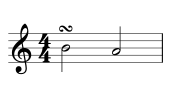 TurnFour quick notes round the written one: the note above, the note, the note below, the note.
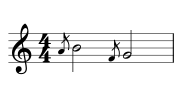 Grace noteA small note played just before (or on) the beat of the main note. Its time comes out of the main note's: a slashed one takes only a sliver, an unslashed one in music from Bach to Mozart often half.
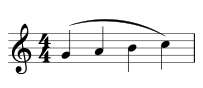 SlurPlay the notes under it smoothly joined (legato), with no gaps. The end of a slur is often lifted slightly.
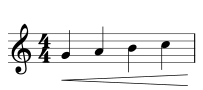 CrescendoGet gradually louder, until the wedge or the dotted line after cresc. ends.
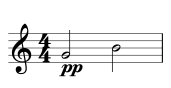 PianissimoVery soft.
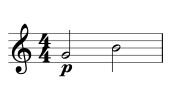 PianoSoft. The instrument's full name, pianoforte, means soft-loud.
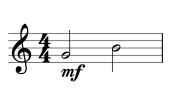 Mezzo forteModerately loud: an easy, singing tone.
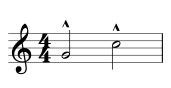 MarcatoA stronger accent: marked and forceful.
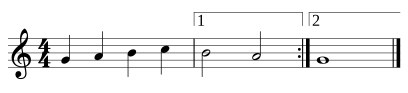 First and second endingsPlay the first ending the first time; on the repeat, skip it and play the second.
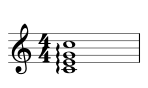 Arpeggio (rolled chord)Spread the chord quickly from the bottom note up instead of playing its notes together.
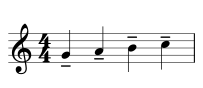 TenutoHold the note for its full value, with a slight weight.
Music symbols worksheet, sheet 793, from clefsight.com/learn/music-symbols/worksheet?seed=793. The guide there shows every sign in real pieces.