Learn to read music · Music symbols and what they mean
Music symbols worksheet
Under each sign, write its name or what it asks you to do. Each one is shown in a bar of music, as a page prints it. 14 signs, all from the music symbols guide; the answers print on a second page. Sheet 63.
Then check them. The music symbols guide shows each sign in a bar of music, says what it asks of you, and links the easiest pieces that print it.
Read the guideAnswers: music symbols worksheet, sheet 63
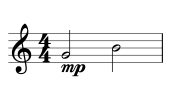 Mezzo pianoModerately soft: a little louder than p.
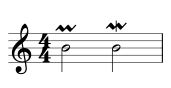 MordentOne quick flick away and back: to the note above (no line) or the note below (a line through it), then the written note.
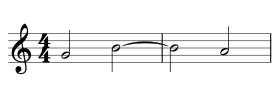 TiePlay the first note and hold it through the second: one note, the two values added together. A tie often crosses a bar line.
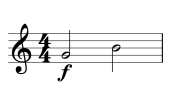 ForteLoud.
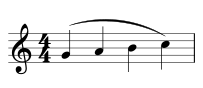 SlurPlay the notes under it smoothly joined (legato), with no gaps. The end of a slur is often lifted slightly.
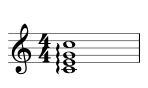 Arpeggio (rolled chord)Spread the chord quickly from the bottom note up instead of playing its notes together.
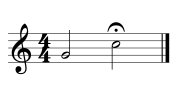 FermataHold the note (or rest) longer than written, as long as feels right, then go on.
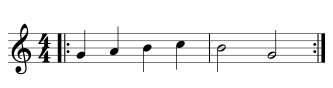 Repeat signsGo back to the facing repeat sign (or to the start, if there is none) and play the passage again.
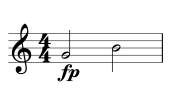 Forte-pianoLoud on the first note, then soft at once.
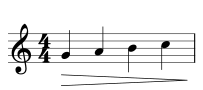 Diminuendo or decrescendoGet gradually softer.
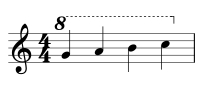 Octave signPlay the notes under the dotted line an octave higher (8va, over the notes) or lower (8vb, under them) than written.
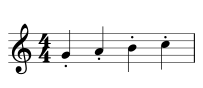 StaccatoShort and detached: let go early, leaving a small gap before the next note.
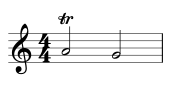 TrillAlternate quickly between the written note and the note above it for the note's length.
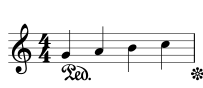 Sustain pedalPress the right pedal at Ped. (or where the bracket starts) and lift it at the star (or where it ends).
Music symbols worksheet, sheet 63, from clefsight.com/learn/music-symbols/worksheet?seed=63. The guide there shows every sign in real pieces.