Learn to read music · Music symbols and what they mean
Music symbols worksheet
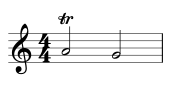
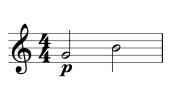
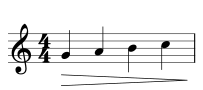
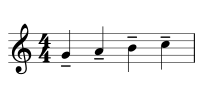
Under each sign, write its name or what it asks you to do. Each one is shown in a bar of music, as a page prints it. 14 signs, all from the music symbols guide; the answers print on a second page. Sheet 544.
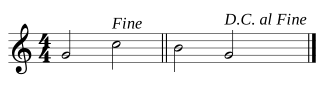 dolce
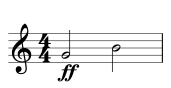
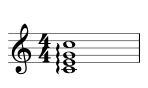
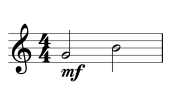 legato
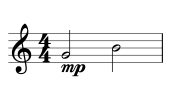
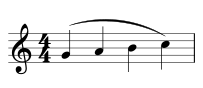
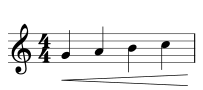
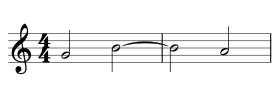
Then check them. The music symbols guide shows each sign in a bar of music, says what it asks of you, and links the easiest pieces that print it.
Read the guideAnswers: music symbols worksheet, sheet 544
- TrillAlternate quickly between the written note and the note above it for the note's length.PianoSoft. The instrument's full name, pianoforte, means soft-loud.Diminuendo or decrescendoGet gradually softer.TenutoHold the note for its full value, with a slight weight.
- D.C. al FineDa capo al fine: go back to the beginning and play until the word Fine (the end).dolceDolceSweetly, gently.FortissimoVery loud.
- Arpeggio (rolled chord)Spread the chord quickly from the bottom note up instead of playing its notes together.Mezzo forteModerately loud: an easy, singing tone.legatoLegatoSmoothly joined, every note connected to the next.Mezzo pianoModerately soft: a little louder than p.
- SlurPlay the notes under it smoothly joined (legato), with no gaps. The end of a slur is often lifted slightly.CrescendoGet gradually louder, until the wedge or the dotted line after cresc. ends.TiePlay the first note and hold it through the second: one note, the two values added together. A tie often crosses a bar line.
Music symbols worksheet, sheet 544, from clefsight.com/learn/music-symbols/worksheet?seed=544. The guide there shows every sign in real pieces.