Learn to read music · Music symbols and what they mean
Music symbols worksheet
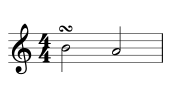
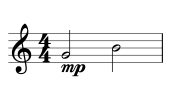
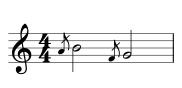
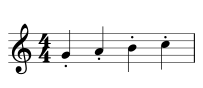
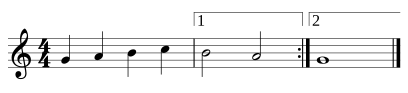
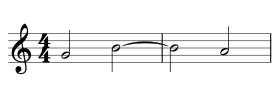
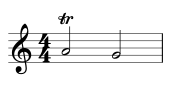
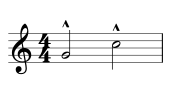
Under each sign, write its name or what it asks you to do. Each one is shown in a bar of music, as a page prints it. 14 signs, all from the music symbols guide; the answers print on a second page. Sheet 144.
 a tempo
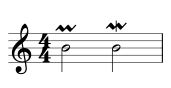
Then check them. The music symbols guide shows each sign in a bar of music, says what it asks of you, and links the easiest pieces that print it.
Read the guideAnswers: music symbols worksheet, sheet 144
- TurnFour quick notes round the written one: the note above, the note, the note below, the note.Mezzo pianoModerately soft: a little louder than p.Grace noteA small note played just before (or on) the beat of the main note. Its time comes out of the main note's: a slashed one takes only a sliver, an unslashed one in music from Bach to Mozart often half.StaccatoShort and detached: let go early, leaving a small gap before the next note.
- First and second endingsPlay the first ending the first time; on the repeat, skip it and play the second.TiePlay the first note and hold it through the second: one note, the two values added together. A tie often crosses a bar line.
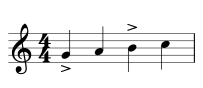
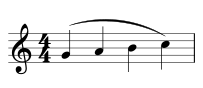
- TrillAlternate quickly between the written note and the note above it for the note's length.MarcatoA stronger accent: marked and forceful.AccentPlay this note louder than the ones around it.SlurPlay the notes under it smoothly joined (legato), with no gaps. The end of a slur is often lifted slightly.
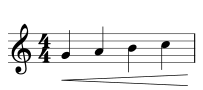
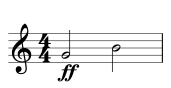
- CrescendoGet gradually louder, until the wedge or the dotted line after cresc. ends.FortissimoVery loud.a tempoA tempoBack to the speed before the last change.MordentOne quick flick away and back: to the note above (no line) or the note below (a line through it), then the written note.
Music symbols worksheet, sheet 144, from clefsight.com/learn/music-symbols/worksheet?seed=144. The guide there shows every sign in real pieces.