Learn to read music · Music symbols and what they mean
Music symbols worksheet
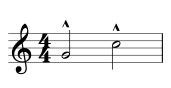
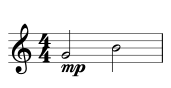
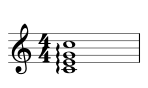
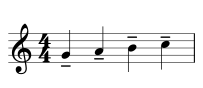
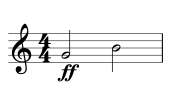
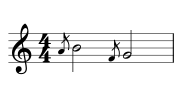
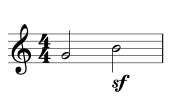
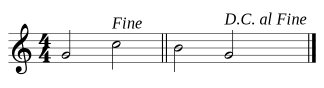
Under each sign, write its name or what it asks you to do. Each one is shown in a bar of music, as a page prints it. 15 signs, all from the music symbols guide; the answers print on a second page. Sheet 1126.
 rit.
 a tempo
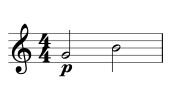
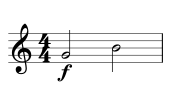
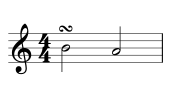
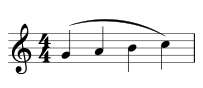
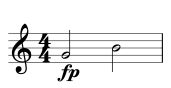
Then check them. The music symbols guide shows each sign in a bar of music, says what it asks of you, and links the easiest pieces that print it.
Read the guideAnswers: music symbols worksheet, sheet 1126
- MarcatoA stronger accent: marked and forceful.rit.Ritardando, rallentandoSlow down gradually. Ritenuto (riten.) is held back at once.Mezzo pianoModerately soft: a little louder than p.Arpeggio (rolled chord)Spread the chord quickly from the bottom note up instead of playing its notes together.
- TenutoHold the note for its full value, with a slight weight.FortissimoVery loud.Grace noteA small note played just before (or on) the beat of the main note. Its time comes out of the main note's: a slashed one takes only a sliver, an unslashed one in music from Bach to Mozart often half.a tempoA tempoBack to the speed before the last change.
- SforzandoA sudden strong accent on one note or chord, then back to the dynamic before it.D.C. al FineDa capo al fine: go back to the beginning and play until the word Fine (the end).PianoSoft. The instrument's full name, pianoforte, means soft-loud.
- ForteLoud.TurnFour quick notes round the written one: the note above, the note, the note below, the note.SlurPlay the notes under it smoothly joined (legato), with no gaps. The end of a slur is often lifted slightly.Forte-pianoLoud on the first note, then soft at once.
Music symbols worksheet, sheet 1126, from clefsight.com/learn/music-symbols/worksheet?seed=1126. The guide there shows every sign in real pieces.