Learn to read music · Music symbols and what they mean
Music symbols worksheet
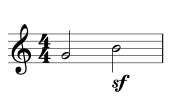
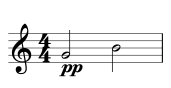
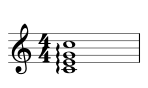
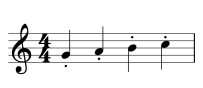
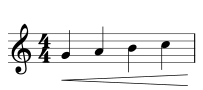
Under each sign, write its name or what it asks you to do. Each one is shown in a bar of music, as a page prints it. 15 signs, all from the music symbols guide; the answers print on a second page. Sheet 1124.
- dolce
 rit.
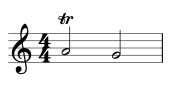
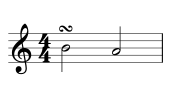
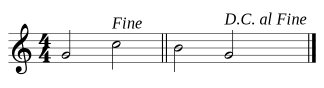
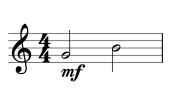
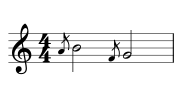
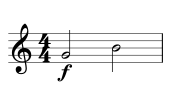
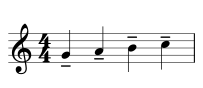
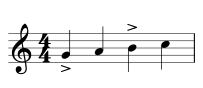
Then check them. The music symbols guide shows each sign in a bar of music, says what it asks of you, and links the easiest pieces that print it.
Read the guideAnswers: music symbols worksheet, sheet 1124
- dolceDolceSweetly, gently.SforzandoA sudden strong accent on one note or chord, then back to the dynamic before it.rit.Ritardando, rallentandoSlow down gradually. Ritenuto (riten.) is held back at once.TrillAlternate quickly between the written note and the note above it for the note's length.
- TurnFour quick notes round the written one: the note above, the note, the note below, the note.D.C. al FineDa capo al fine: go back to the beginning and play until the word Fine (the end).Mezzo forteModerately loud: an easy, singing tone.
- Grace noteA small note played just before (or on) the beat of the main note. Its time comes out of the main note's: a slashed one takes only a sliver, an unslashed one in music from Bach to Mozart often half.ForteLoud.TenutoHold the note for its full value, with a slight weight.PianissimoVery soft.
- Arpeggio (rolled chord)Spread the chord quickly from the bottom note up instead of playing its notes together.StaccatoShort and detached: let go early, leaving a small gap before the next note.CrescendoGet gradually louder, until the wedge or the dotted line after cresc. ends.AccentPlay this note louder than the ones around it.
Music symbols worksheet, sheet 1124, from clefsight.com/learn/music-symbols/worksheet?seed=1124. The guide there shows every sign in real pieces.